
Gen Z Doesn’t Browse Stores Anymore — They Judge Them in Three Seconds
Gen Z doesn’t wander into a store to “see what’s there.” They scroll, screenshot, compare, and check reviews before they ever add something to a cart — and if a website feels slow, cluttered, or even slightly untrustworthy, they’re gone before the page finishes loading. This generation grew up with infinite choice, which means an e-commerce store isn’t competing against the shop next door anymore; it’s competing against every other tab open on someone’s phone. In that environment, a store’s website isn’t just where sales happen — it’s the entire first impression, compressed into a few seconds of scrolling.
What Is the Purpose of an E-Commerce Store?
An e-commerce site’s purpose goes beyond simply listing products for sale. It has to do the job a salesperson, a fitting room, and a cashier used to do all at once — showing products clearly, answering unspoken questions (Is this legit? Will it fit? Can I trust this brand?), and making checkout feel effortless enough that a shopper doesn’t second-guess themselves at the last second. Every product photo, review section, and “add to cart” button is part of a much longer trust-building sequence that happens almost entirely without words.
E-Commerce Pros and Cons
That complexity comes with real trade-offs.
Pros of a well-built e-commerce store:
- Operates 24/7 and reaches shoppers far beyond a physical location
- Uses data to personalize what each visitor sees
- Scales without the overhead of a physical storefront
- Turns browsing into a tailored, on-demand shopping experience
Cons of a well-built e-commerce store:
- Demands constant upkeep: inventory syncing, payment security, mobile optimization
- A single broken image or slow page can lose a sale instantly
- Confusing return policies erode trust fast, especially with first-time buyers
- Gen Z shoppers rarely give a clunky checkout a second chance
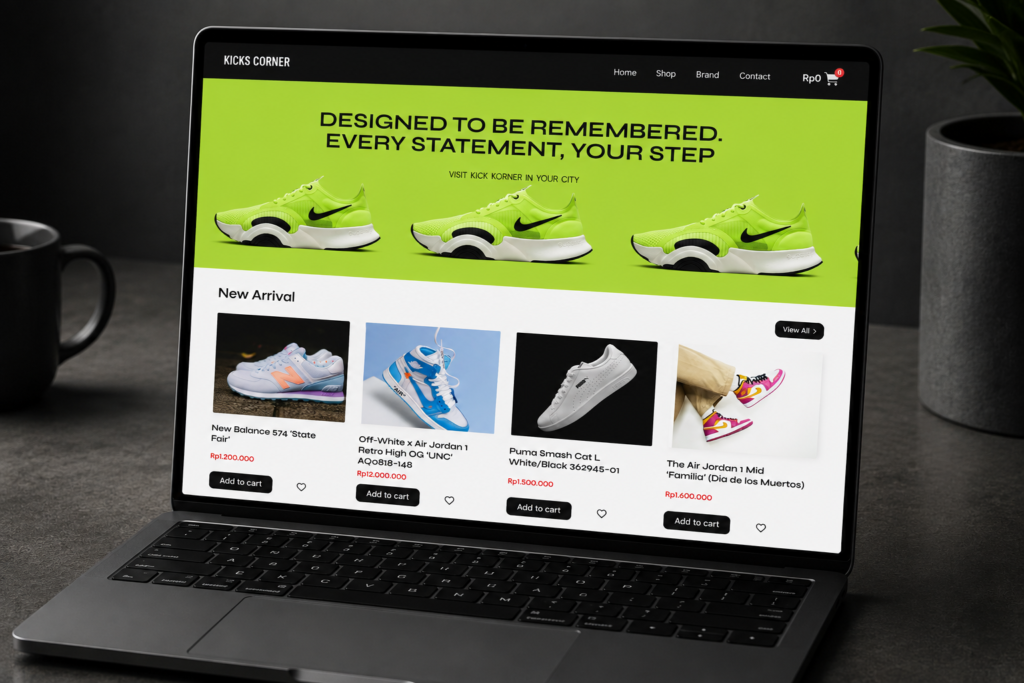
The Impact of E-Commerce on Brand Trust
This is where e-commerce design becomes impossible to ignore. For Gen Z especially, an e-commerce store is the brand — there’s often no physical storefront to fall back on, no in-person interaction to soften a bad first impression. The visual identity, the tone of the product descriptions, even the packaging shown in photos all signal whether a brand feels authentic or like it’s just chasing a trend. Shoppers in this generation are unusually good at sensing when something feels manufactured versus genuinely crafted, and they reward brands with intentional, well-designed stores with loyalty — and public praise across their own social feeds.
Key Takeaway
An e-commerce store is where a brand has to earn trust and close the sale in the same breath, with almost no room for friction. Get it right, and the store becomes a brand’s most tireless salesperson — working around the clock, reaching audiences a physical shop never could. Get it wrong, and the abandoned cart becomes just another tab this generation quietly closed. In an era built on split-second judgment, the difference between a good e-commerce experience and a forgettable one isn’t cosmetic — it’s the entire business.